

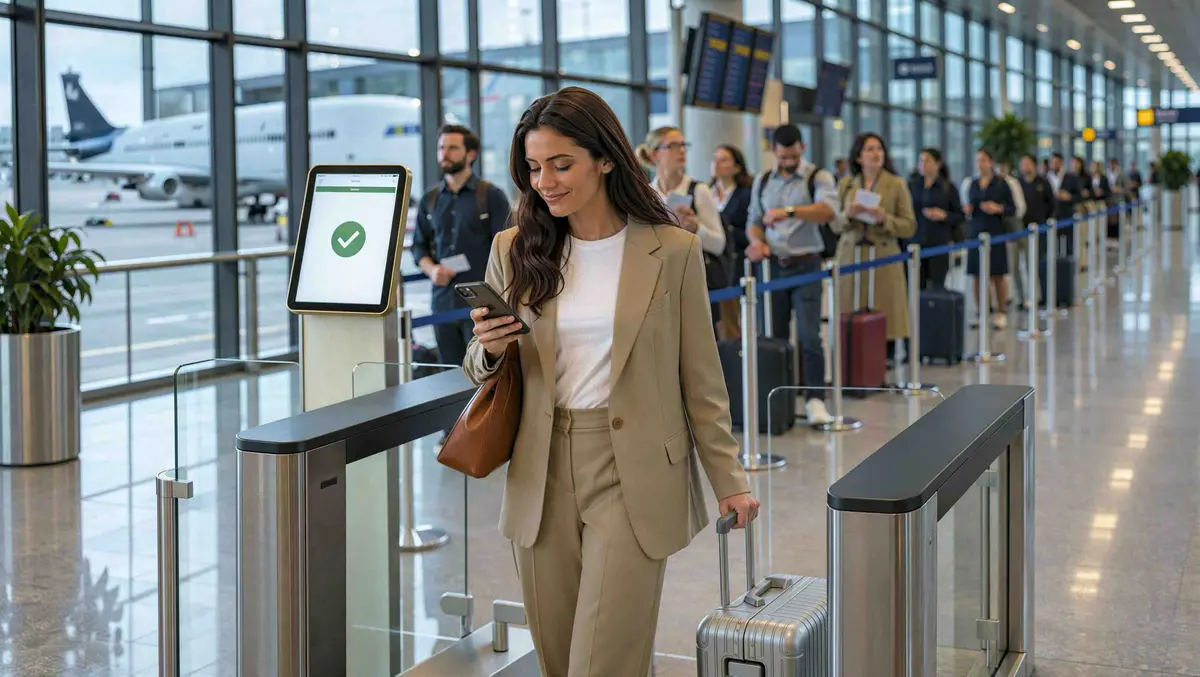

SITA has published research showing that 42% of travellers have decided against a trip because they expected it to be too stressful. The survey covered nearly 8,000 passengers in 24 countries.
The findings identify operational disruption and uncertainty as major barriers to demand for air travel. Delays, queues and baggage concerns were the issues passengers encountered most often, while eight in 10 respondents said technology can reduce the stress of flying.
Frequent flyers and younger travellers stood out in the data. Six in 10 frequent flyers said they had abandoned a trip because they expected stress, while more than half of travellers under 30 said the same. Those groups were also among the most likely to say technology could ease the experience, at 89% and 86% respectively.
In Asia-Pacific, passengers were the most likely globally to say flying is improving, but stress still constrained travel. Almost nine in 10 travellers in the region, or 88%, said technology can reduce the stress of air travel, while 43% said they had avoided a trip they expected to be stressful.
Use of digital tools also varied across the airport journey. Border control had the lowest level of technology use among passengers in Asia-Pacific at 57%, although the figures were much higher in some markets, including Singapore at 82% and South Korea at 76%.
The research suggests passengers are more comfortable with digital processes in some parts of the journey than others. Check-in and boarding were identified as points where travellers tend to feel calmer, reflecting wider adoption of mobile and self-service tools at those stages.
According to the survey, about a third of passengers now feel anxious between security and boarding, three times the level recorded in 2023. That matters commercially for airports because the period between clearing security and reaching the gate is also when travellers are most likely to spend money in shops, restaurants and lounges.
Stress points
SITA Chief Executive Officer David Lavorel said the industry could address many of those concerns by improving the flow of information between airlines, airports, ground handlers and border agencies.
"Every trip we win back is a seat filled, a parking space sold and a coffee bought," said Lavorel.
"Travellers are telling us where the stress comes from: delays, queues and worrying about their bags. Most of it comes down to not knowing what happens next. When airlines, airports, ground handlers and border agencies share what they know, passengers can see what is coming before they have to ask," Lavorel said.
The study found that passengers are open to a larger role for automated updates if that reduces uncertainty during the journey. Four in 10 respondents said they would accept real-time updates from artificial intelligence systems, making it one of the tasks travellers trusted most.
Examples cited in the findings included alerts to passengers' phones, live waiting and walking times displayed in terminals, and systems that send updates when flight details change. The survey focused less on new consumer features and more on practical information that affects movement through the airport.
Commercial impact
Lavorel linked smoother journeys to both travel demand and airport spending, arguing that shorter queues and clearer information could reduce passenger anxiety and increase time available after security.
"In the airport, passengers are calmest at check-in and boarding, where the journey is already on their phone," Lavorel said. "The rest of the journey should feel the same, especially when plans change. If a flight is rescheduled, passengers should know straight away: the new departure time, how to reach their new gate and where their bag is. That is what puts minds at ease."
Regional comparisons in the survey highlighted wide differences in outcomes where digital adoption was higher. In the United Arab Emirates, where 77% of passengers used technology at border control, only 13% reported negative emotions at that stage, compared with 37% across the broader survey sample.
The report argues that the most immediate returns from travel technology may come from easing friction at key operational pinch points rather than adding optional services. For airlines, the issue is tied to bookings from high-value passengers; for airports, it is linked to passenger flow and time spent in commercial areas.
"Calm is a commercial measure," Lavorel said. "Airlines see it in bookings, and airports in how passengers use their time once they are through security. Improve today's experience, and we'll unlock tomorrow's demand."